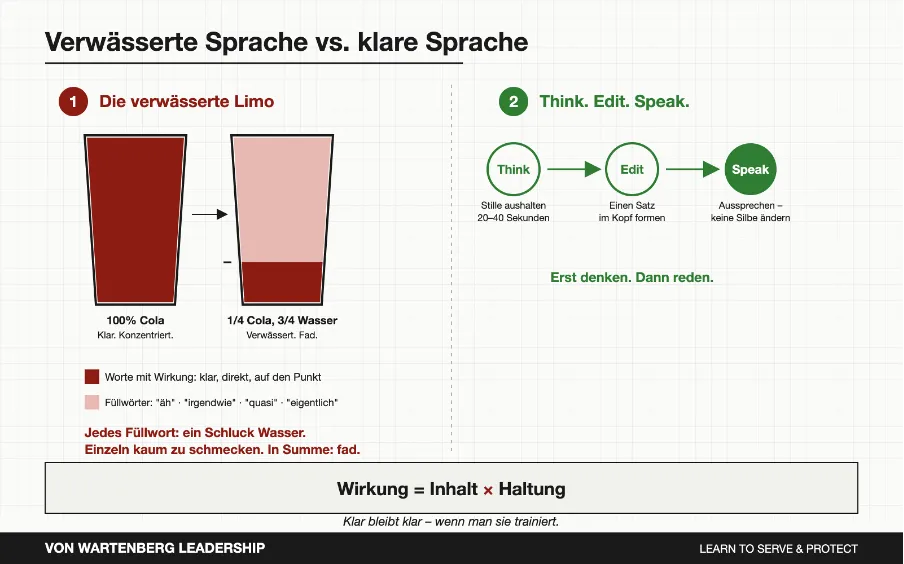
You talk like a "watered-down fizzy drink"
A good leader must be an excellent speaker and communicator. Not because it looks good on stage, but because leadership that fails to make an impact comes to nothing.
Blog
Short, hands-on articles about self-leadership, team dynamics and entrepreneurial responsibility.
A good leader must be an excellent speaker and communicator. Not because it looks good on stage, but because leadership that fails to make an impact comes to nothing.

Ellmer was 24 when her first employer – an airline with a long history – was forced to file for insolvency. Mass redundancies were imminent, and an external coach ...
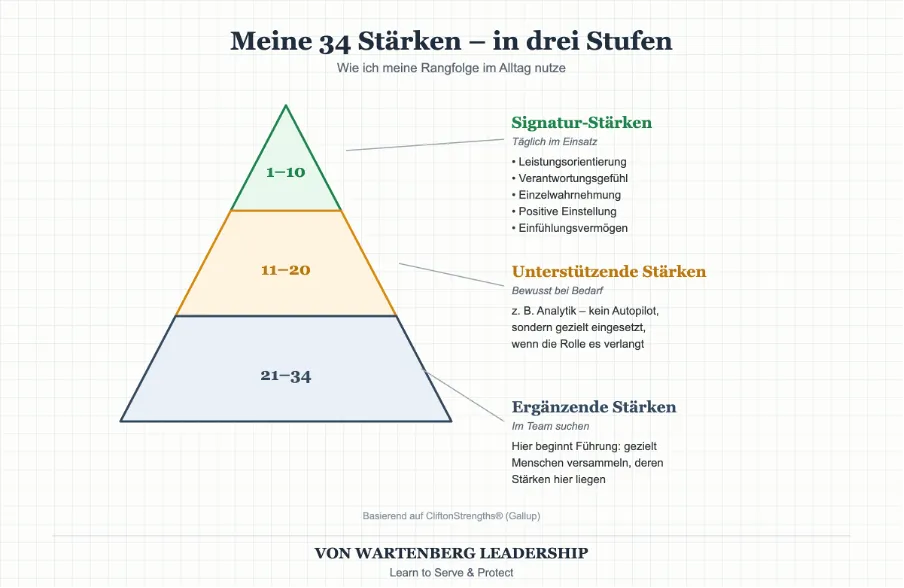
"Develop your strengths". What initially looked like a nice team-building gimmick went on to become one of the most formative tools in my leadership practice.
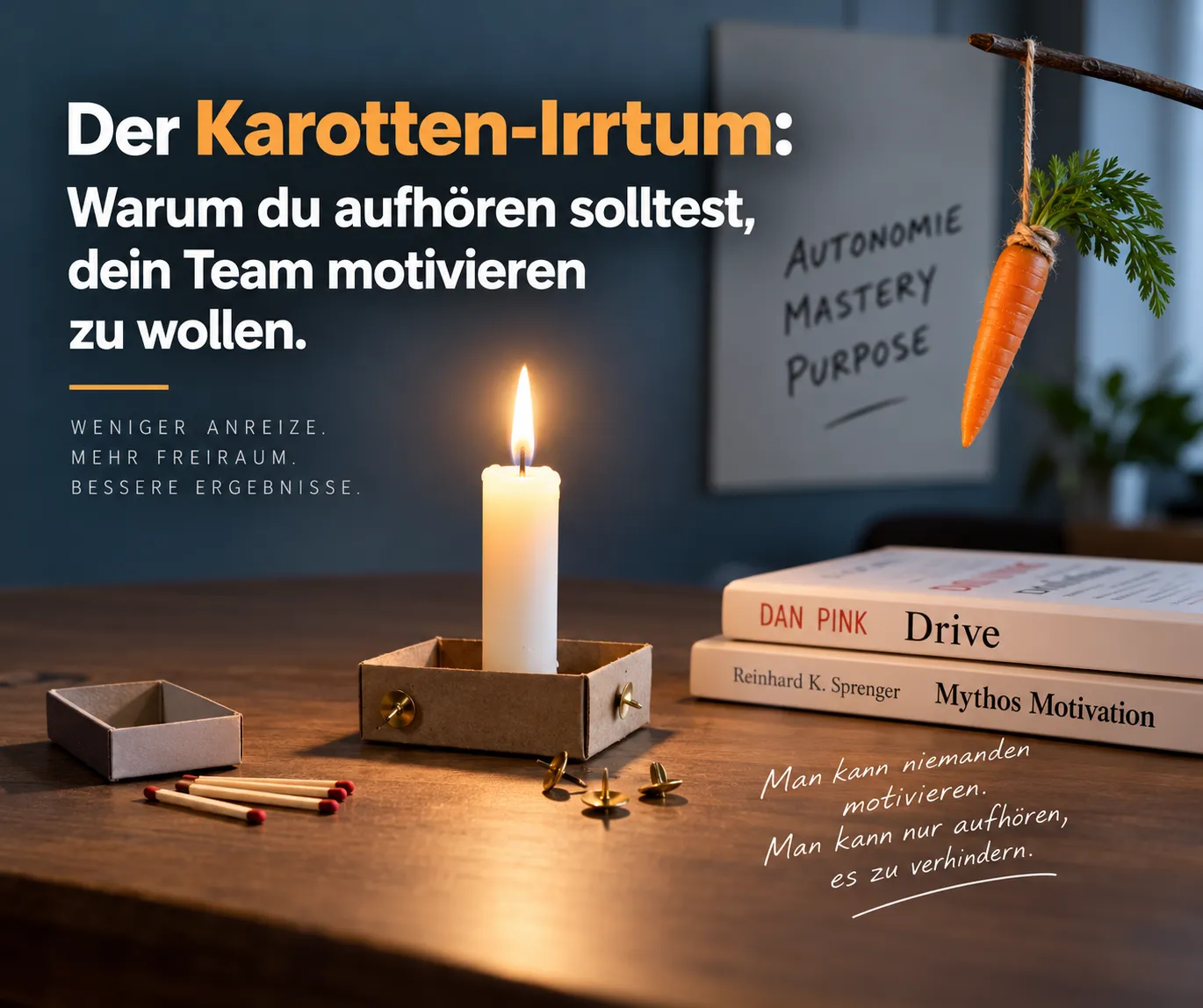
This post provides the underlying foundation for my ‘Motivation to Start the Week’ weekly inspiration piece.

Before we get back into the swing of things today – here’s a ritual I’ve been using for years and which I’ve also used in keynote speeches.
It was a perfectly ordinary business flight. What I hadn’t expected was that, by the end of the film, I was sitting in my seat with tears in my eyes...
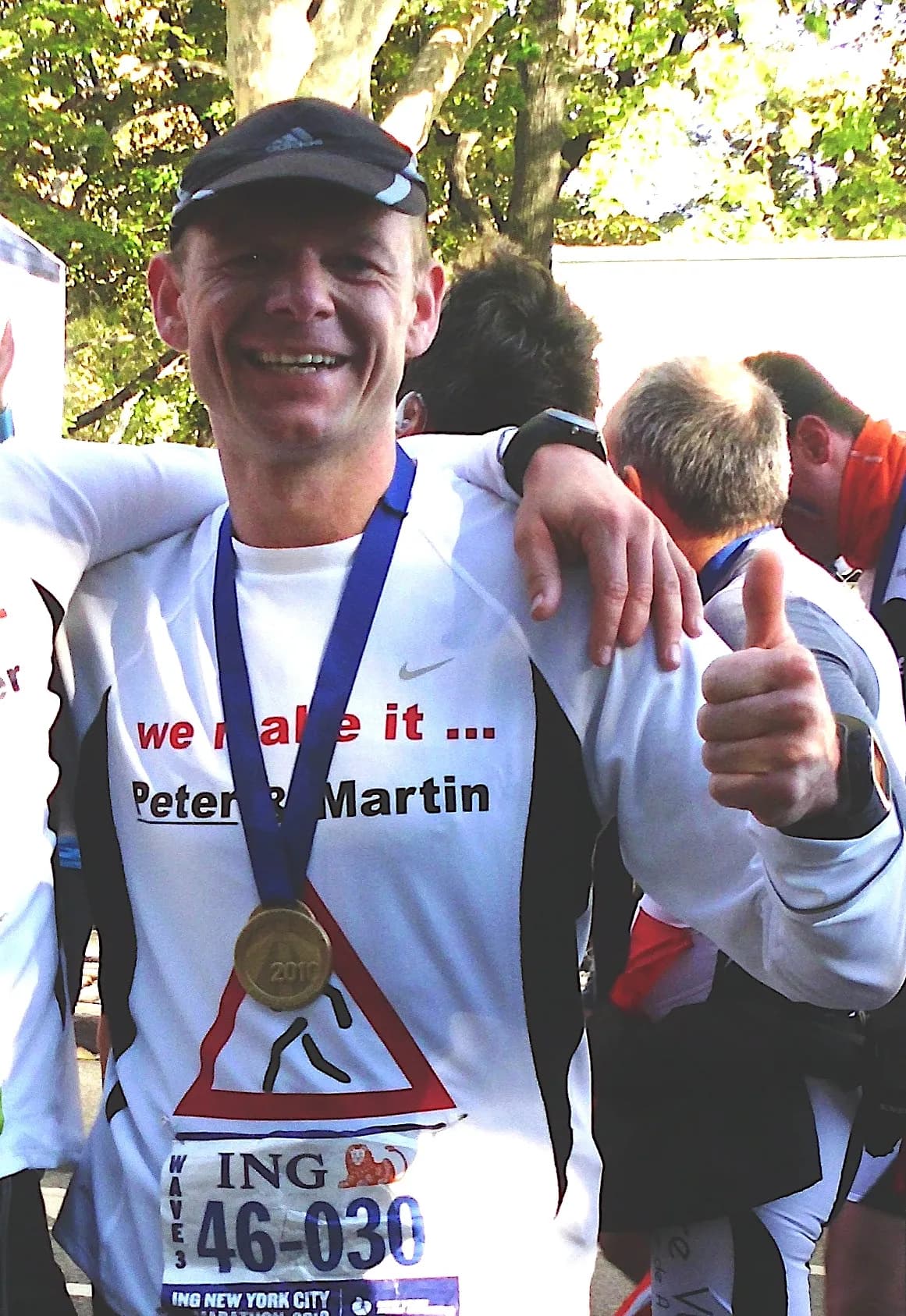
Whilst you’re waiting, your neighbour has long since been training every day. On the day of the competition, it’s not the equipment that counts – but who has adapted.
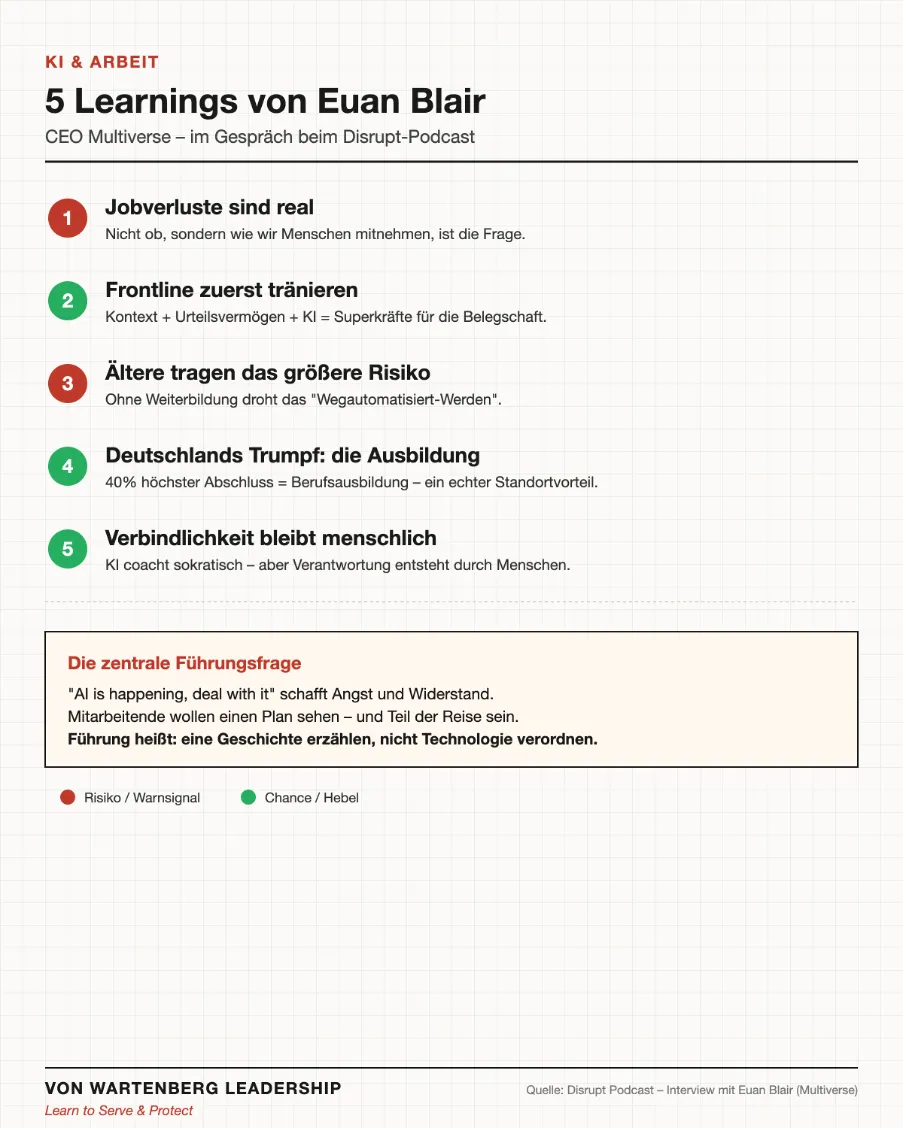
Leadership means telling a story, not stirring up fear. Statements such as “AI is happening – you’ll just have to get on with it” create resistance.

There are books that you download, flick through briefly, then set aside. And there are books that change the way you look at your own organization.

I’d known for years that mindfulness would do me good. A few minutes a day would be enough. And yet, for a long time, it remained nothing more than a constant struggle to get myself to do it, which rarely went beyond mere good intentions.

Before I became a production manager, I was a DJ.
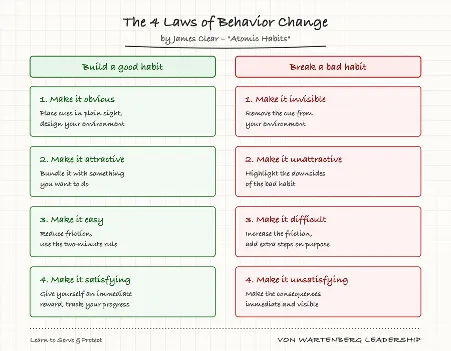
It’s all about habits – and how you shape them so that they make you better, step by step. No grand gestures, no radical overnight changes, but small, consistent improvements that build up over time.
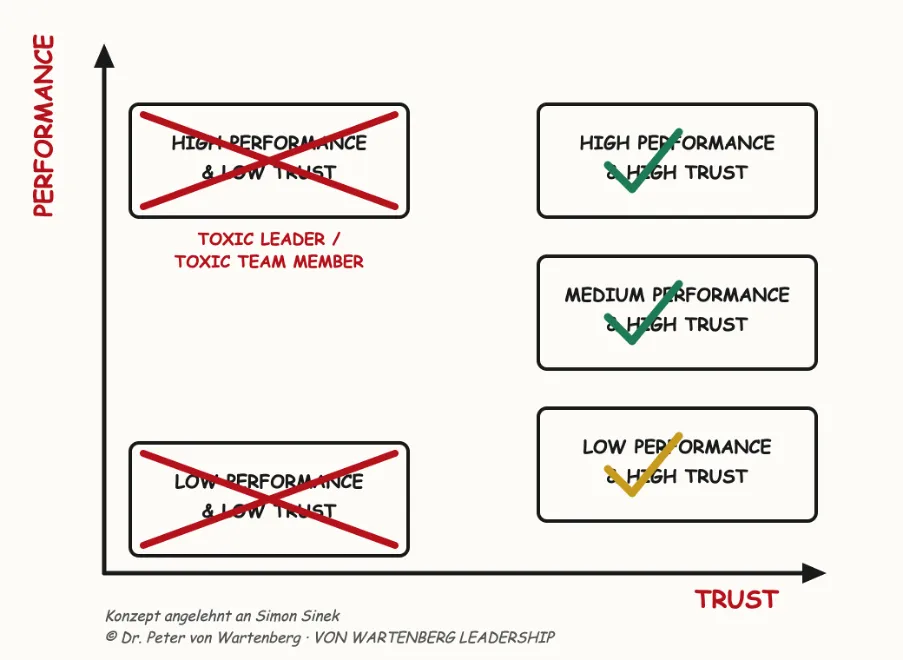
Over five years ago, I described on LinkedIn a method that I had already been practising for years at that time – and which I still practise today: in my annual appraisal interviews, I assess not only a person’s performance, but also, equally, the trust I have in him or her. And Simon Sinek has summed it up perfectly!
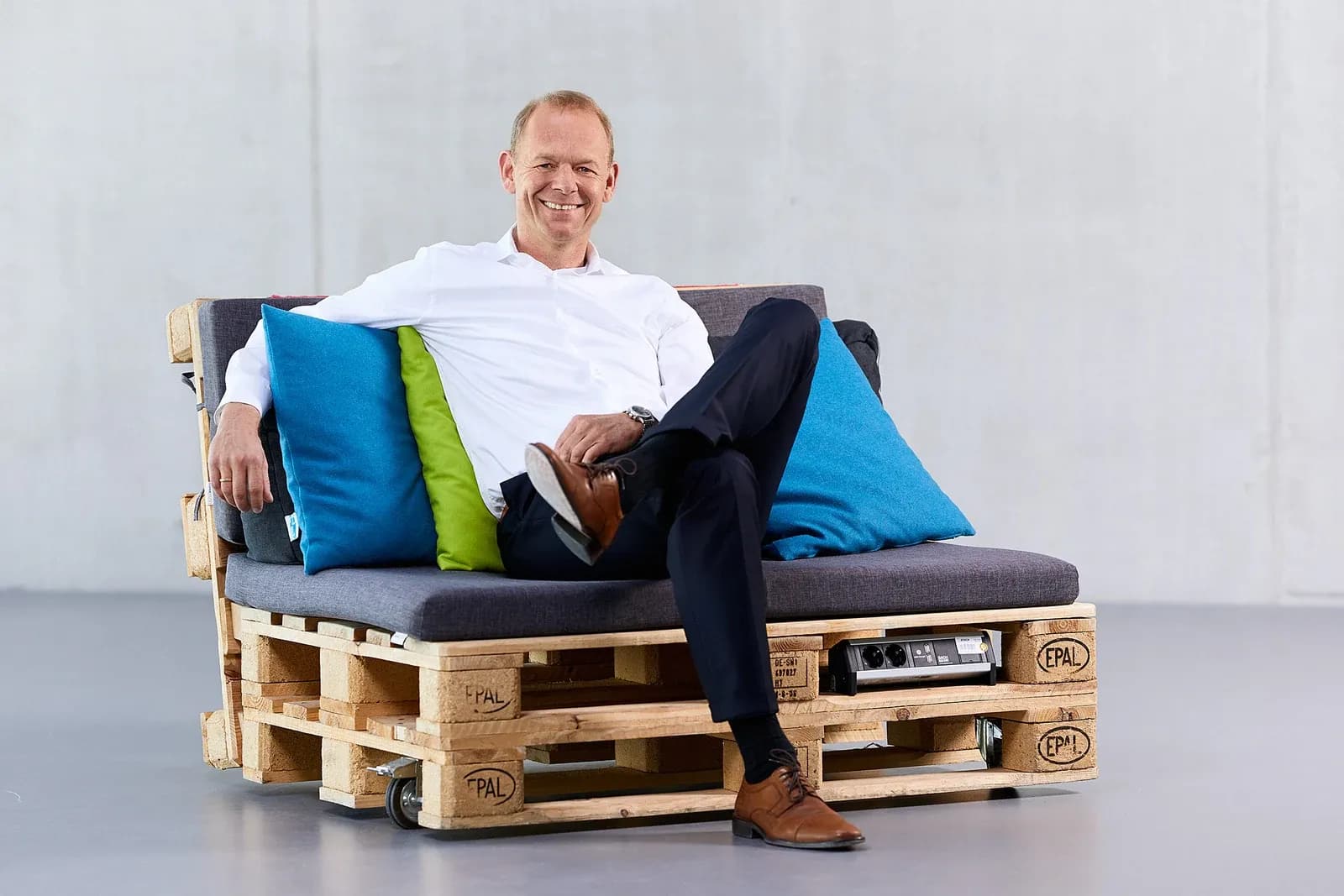
High performance rests on two pillars: psychological safety and accountability. Not just one of them, but both. And in that order.
There is a lot of talk about teams – about team spirit, culture and cohesion. What is rarely made clear, however, is that not every group working together on a task is a team. And not every team needs to be a high-performing team. Yet it is precisely this distinction that determines what kind of leadership, structure and expectations are actually appropriate.